

Self-employed borrowers often have the same frustrating experience: the business is doing well, the bills are paid, and the tax return still makes the income look smaller than real life. A bank-statement loan may offer another way to tell the financial story—but only when the deposits and the loan structure genuinely support it.
What does a real mortgage comparison look like?
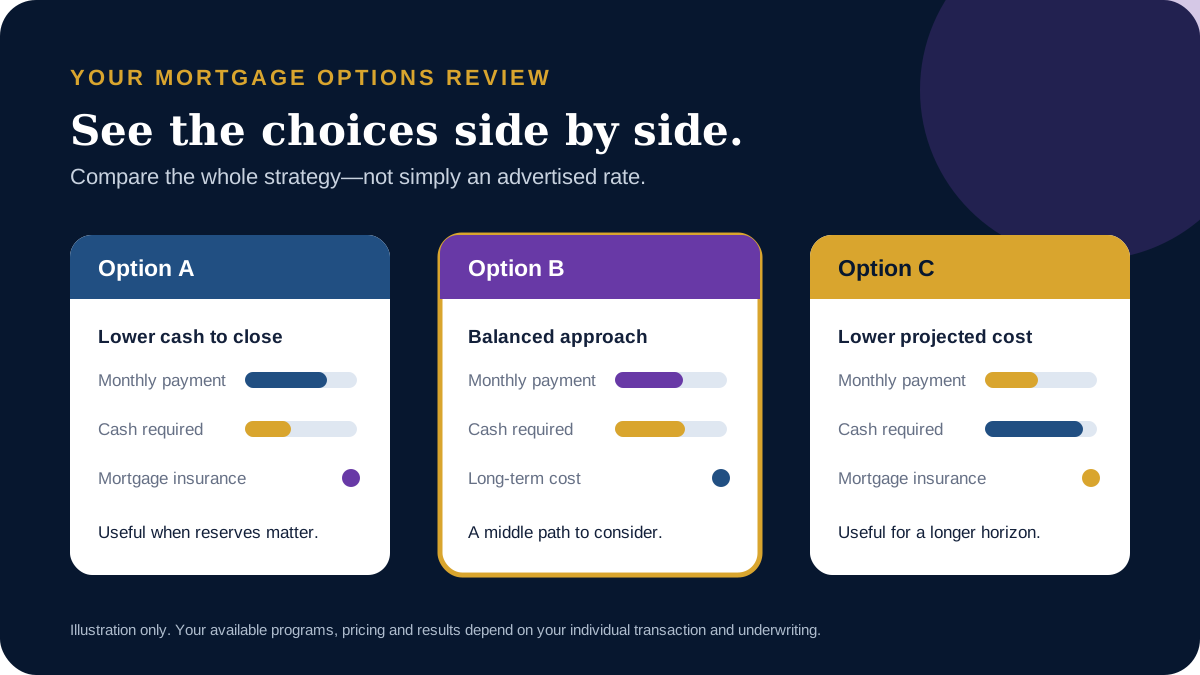
A useful comparison puts the estimated payment, cash to close, mortgage insurance and projected cost of the available strategies in one place. Mike uses Mortgage Coach to make those tradeoffs easier to see and discuss.
How a bank statement mortgage works
Depending on the lender, qualifying income may be calculated from a review of personal bank statements, business bank statements or both over a required period. The underwriter identifies eligible recurring deposits, removes transfers and other non-income items, and may apply an expense factor to business revenue.
Personal versus business statements
Personal-statement programs may use deposits flowing into the borrower’s personal accounts when the documentation supports the income source. Business-statement programs typically analyze gross eligible business deposits and then apply a reasonable expense factor. The factor can be lender-defined or supported by a qualified third-party expense statement, depending on the program.
What does not count as income
Transfers between accounts, loan proceeds, tax refunds, one-time asset sales and unexplained large deposits generally should not be treated as recurring business income. Clean bookkeeping makes the analysis easier. Mixing personal and business money can create documentation problems even when the business is healthy.
Credit, down payment and reserves
Bank-statement loans are non-QM products with lender-specific requirements. Credit score, loan-to-value ratio, property type, occupancy, reserves and payment history can materially affect eligibility and pricing. They may require more down and carry different rates or costs than an agency loan.
When tax returns may still be better
A bank-statement loan should not be selected merely because it sounds easier. Conventional, FHA, VA or other programs may deliver better pricing if income can be documented under their rules. Compare the tax-return calculation, bank-statement calculation and other eligible approaches before choosing.
Prepare before the preapproval
Gather the complete required statement period, year-to-date profit-and-loss information if requested, business formation documents, ownership evidence and explanations for unusual deposits. Mike can review the deposit pattern and compare programs from multiple wholesale lenders.
Frequently asked questions
Do bank statement loans require tax returns?
Some programs qualify income without using tax returns for the income calculation, but lenders may request other documents to verify the business and eligibility.
How many months of statements are required?
Requirements vary by lender and program. Common review periods differ, so confirm before submitting documents.
Are all deposits counted?
No. Transfers, borrowed funds and nonrecurring deposits are generally excluded from qualifying income.
Are bank statement loans more expensive?
They can have different rates, fees, down-payment requirements and reserves than agency loans. Compare the full Loan Estimate and long-term plan.
Authoritative sources
Sources were reviewed September 2, 2026. Guidelines, lender overlays, limits and program availability can change.
Would it help to see the options side by side?
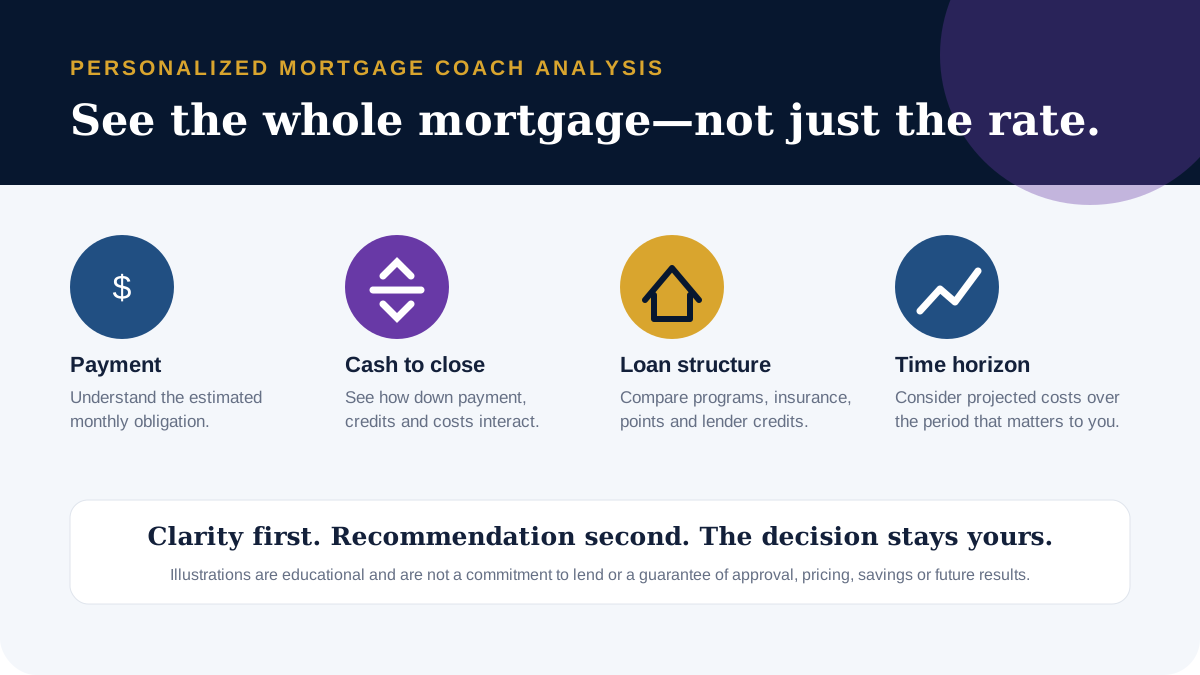
The goal is not to squeeze you into a particular mortgage. It is to help you see the available paths clearly enough to make a confident decision. Generic advice cannot account for your income, credit, property, down payment and plans. Mike can compare the mortgage options that appear available, explain the tradeoffs in plain English and let you decide what feels right.
No pressure. No manufactured urgency. Just a useful second set of eyes before you commit to one of the biggest financial decisions you will make.