

A surprising number of buyers are waiting to save 20% because somebody once told them that is what “responsible buyers” do. Twenty percent can be useful, but it is not a universal admission price for homeownership. The better question is how much cash should go into the house—and how much should stay safely in the bank.
What does a real mortgage comparison look like?
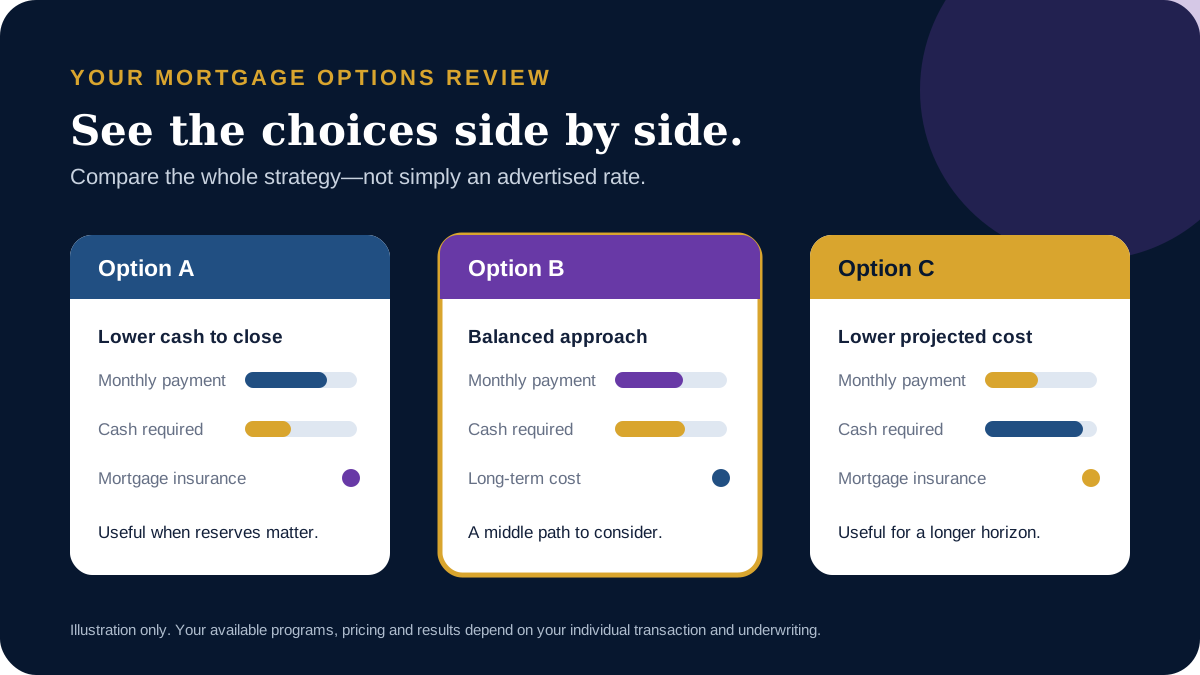
A useful comparison puts the estimated payment, cash to close, mortgage insurance and projected cost of the available strategies in one place. Mike uses Mortgage Coach to make those tradeoffs easier to see and discuss.
Common starting points
Some eligible conventional programs allow as little as 3% down. HUD says FHA may allow as little as 3.5%. VA and USDA programs may offer zero-down financing to eligible borrowers and properties. These are starting points—not promises—and lender requirements can be more restrictive.
Why 20% still matters
Putting 20% down on a conventional mortgage may avoid private mortgage insurance and reduce the loan amount and monthly payment. But waiting to accumulate 20% has an opportunity cost. Prices, rates and rent can change while a buyer saves. The decision should compare the cost of buying now with the cost and risk of waiting.
Down payment is not the same as cash to close
Cash to close can include the down payment, lender and third-party closing costs, prepaid interest, the initial escrow deposit, taxes, insurance and credits. Earnest money already deposited is generally credited in the final calculation. The Loan Estimate is the clearest early summary of these numbers.
Gifts, seller credits and lender credits
Eligible gift funds may help with down payment or closing costs when properly documented. Seller credits may cover eligible costs within program and contract limits. Lender credits can reduce upfront costs in exchange for different pricing. Each source should be reviewed before the offer is written.
Keep reserves after closing
Using every available dollar for the down payment can create a fragile start to homeownership. Moving, repairs, appliances and tax or insurance changes arrive quickly. A slightly smaller down payment with healthy reserves can be the more responsible structure when the program permits it.
Choose the down payment backward from the goal
Start with the payment you can comfortably carry, the cash you want to retain and how long you expect to own the property. Then compare the eligible mortgage options. Mike can show multiple structures instead of assuming the largest possible down payment is automatically best.
Frequently asked questions
Do first-time buyers need 20% down?
No. Several eligible conventional and government-backed options permit less than 20% down.
Can a Michigan buyer purchase with zero down?
Eligible VA and USDA borrowers may have zero-down options, subject to all program, property and underwriting requirements.
Is 3% conventional always cheaper than 3.5% FHA?
No. Compare rate, mortgage insurance, credit-based pricing, payment and total cash to close.
Should I use all my savings for the down payment?
Usually it is wise to consider post-closing reserves and expected home expenses before choosing the amount.
Authoritative sources
- HUD: FHA down payment
- Fannie Mae: HomeReady
- VA home loans
- USDA Guaranteed Loan Program
- CFPB Loan Estimate Explainer
Sources were reviewed September 2, 2026. Guidelines, lender overlays, limits and program availability can change.
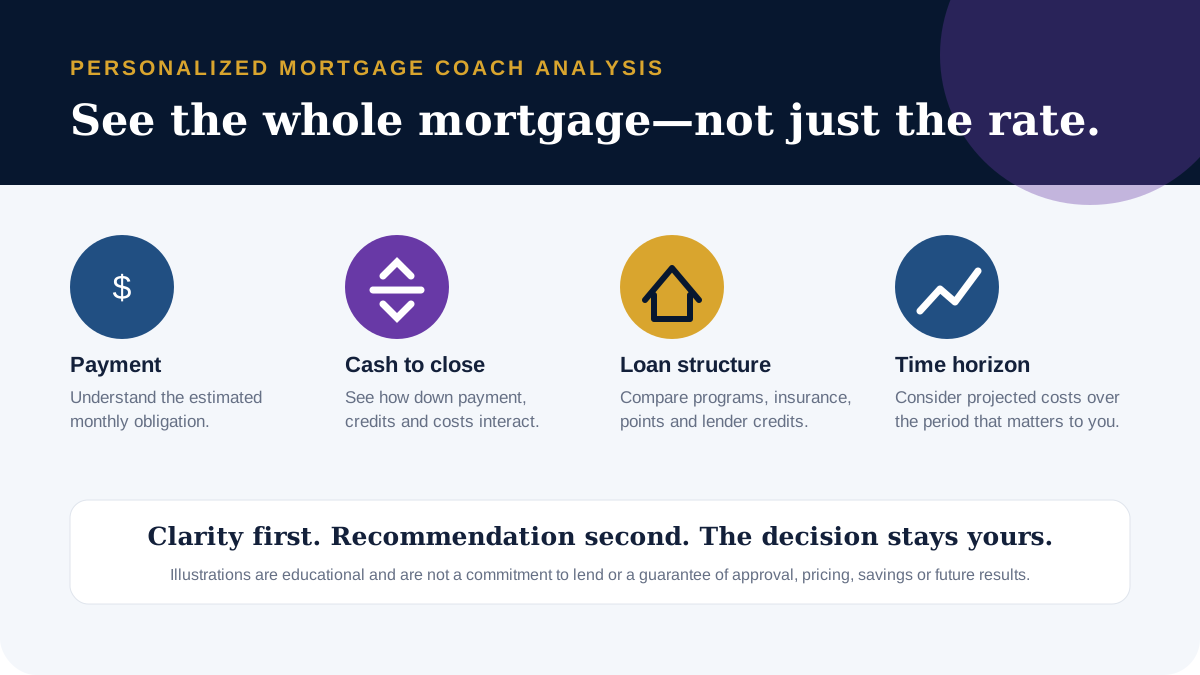
Would it help to see the options side by side?
The goal is not to squeeze you into a particular mortgage. It is to help you see the available paths clearly enough to make a confident decision. Generic advice cannot account for your income, credit, property, down payment and plans. Mike can compare the mortgage options that appear available, explain the tradeoffs in plain English and let you decide what feels right.
No pressure. No manufactured urgency. Just a useful second set of eyes before you commit to one of the biggest financial decisions you will make.